Solutions for printing and marking on flexible aluminum laminates
Coding on flexible aluminum substrates: blister packs, trays, and metallized films
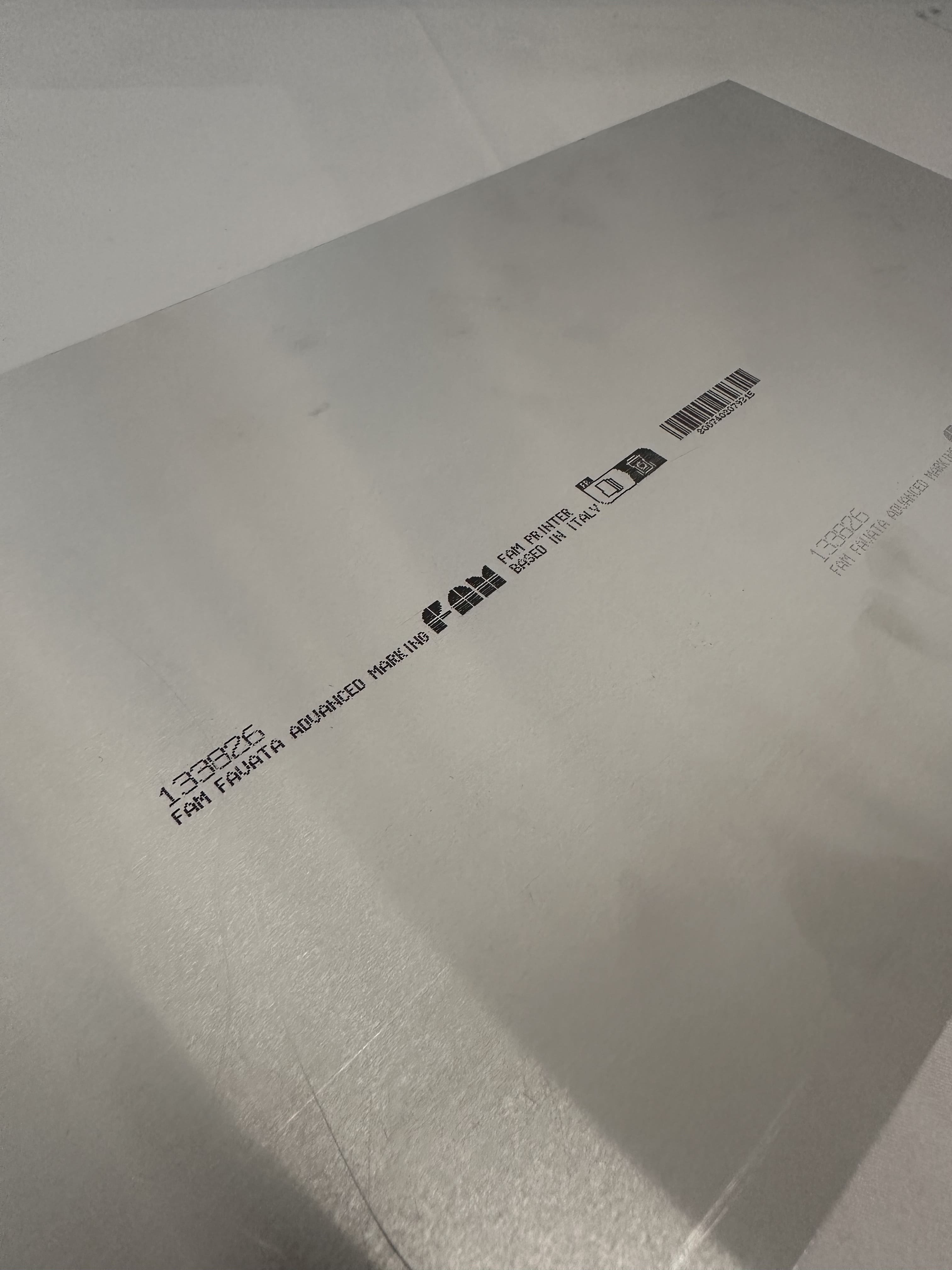
Flexible aluminum laminates—including pharmaceutical blister packs, food trays, and metallized films for snacks and coffee—require marking systems compatible with non-absorbent surfaces that are often coated or varnished. Printing on these substrates must ensure strong adhesion without affecting the material’s barrier properties. CO₂ laser and thermal transfer overprint (TTO) are the preferred technologies: the former for high-quality engraving on surface coatings, the latter for crisp variable-data printing on pharmaceutical foils. CIJ systems using MEK-free or water-based inks provide an alternative for less demanding marking applications. Explore solutions for barrier laminates and coated flexible packaging.
Regulatory requirements and traceability on aluminum laminates
In the pharmaceutical industry, marking on aluminum blister packs is subject to stringent regulations. Each blister must display the batch number, expiry date, and increasingly, DataMatrix codes for serialization as required by EU Regulation 2016/161 (FMD). Code readability is verified by inline vision systems that inspect every single unit. For food packaging on aluminum trays, national and international regulations require the correct indication of expiry or best-before dates. Thermal Inkjet (TIJ) technology offers an ideal solution, combining high print quality, competitive operating costs, and maintenance-free systems. Technology selection must therefore take into account both marking quality and seamless integration with inspection and verification systems. Explore inline code inspection and verification systems.