
Label overprinting solutions
Variable data printing on pre-printed labels: date, batch, and codes
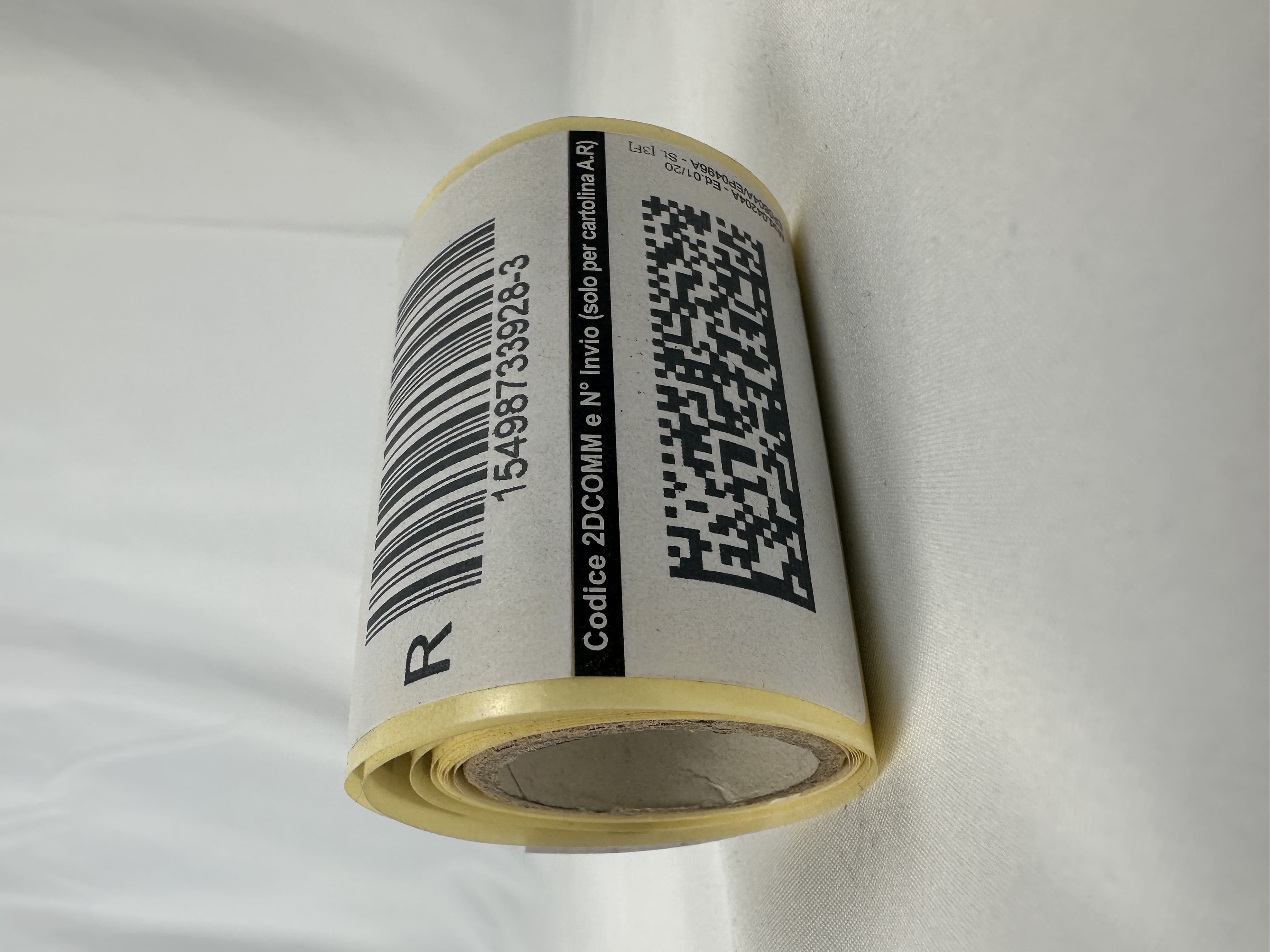
Overprinting on labels refers to the addition of variable information such as production date, batch number, price, barcode, or QR code onto labels that already feature fixed artwork. This is a widespread practice in the food, pharmaceutical, cosmetics, and logistics sectors, as it allows artwork production to benefit from economies of scale while keeping coding flexible and adaptable. The most commonly used technologies include direct thermal transfer (DT) for thermal paper labels, thermal transfer overprint (TTO) for film-based labels, CIJ systems, and thermal printing solutions for pre-formed roll labels.
Discover marking and traceability solutions.
Integration of overprinting in labelling lines
Integrating overprinting into labelling lines requires systems with minimal latency and precise synchronization with the label applicator. Modern print-and-apply systems combine both functions into a single module, reducing footprint and system complexity. Centralized message management via software connected to the company ERP automatically updates batch numbers and expiry dates based on production orders, eliminating the risk of manual errors. Printed code verification through integrated optical readers completes the quality control cycle. Explore inspection systems.